Published on
- 6 min read
ETF Investing for Beginners: Your Simple Path to Wealth
If you have ever felt like investing is only for people with briefcases and Wall Street offices, you are not alone. Millions of Americans believe investing is complicated, risky, or requires thousands of dollars to get started. The truth? It does not have to be either.
Exchange-Traded Funds, commonly known as ETFs, have revolutionized how ordinary people build wealth. In 2025 alone, investors poured a record 1.5 trillion dollars into ETFs. By the end of 2024, the global ETF market had grown to a staggering 15.09 trillion dollars in assets under management. And for good reason - ETFs offer a simple, low-cost, and highly effective way to grow your money over time.
This guide will walk you through what ETFs are, why they work so well, and how you can start investing in them today - even if you have never bought a single stock before.
What Exactly Is an ETF?
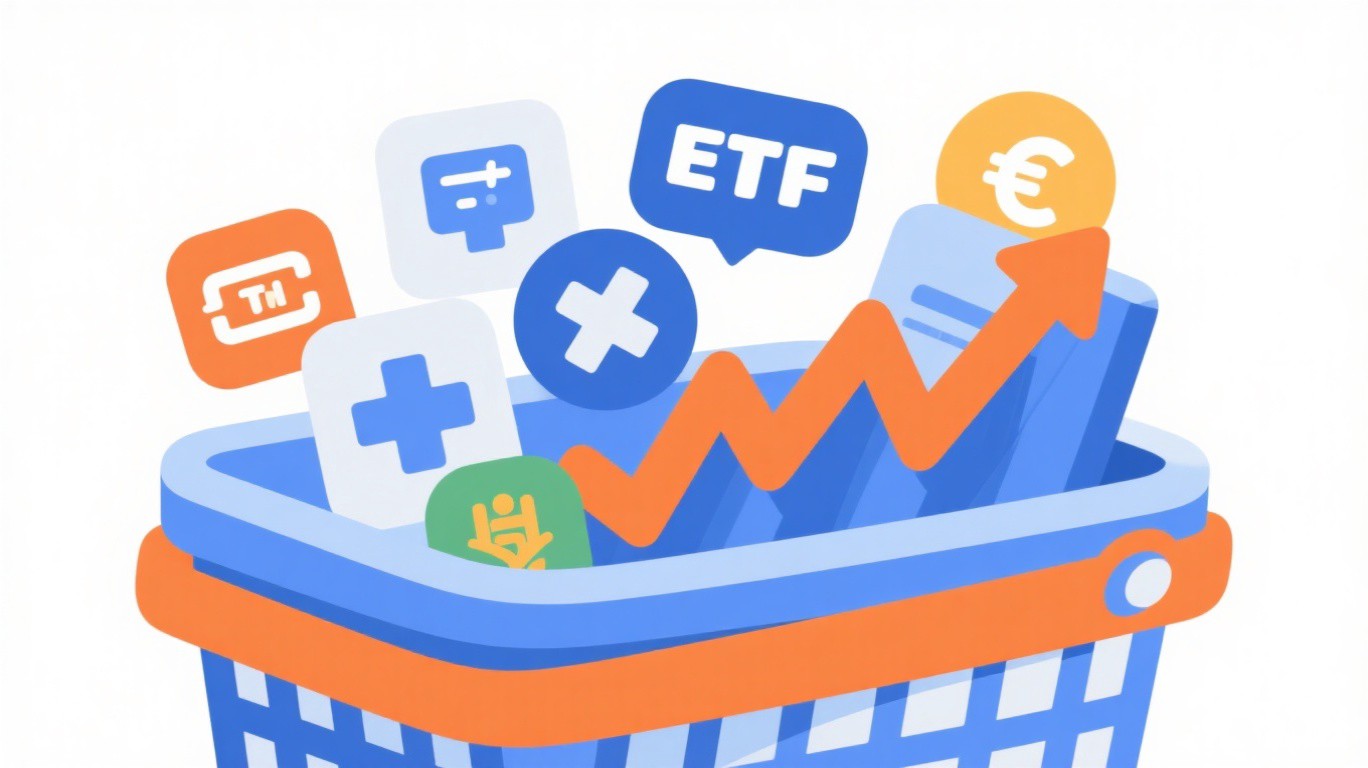
Think of an ETF like a basket that holds a collection of different investments. Instead of buying one company’s stock, you buy a single ETF that contains dozens, hundreds, or even thousands of different stocks or bonds. When you invest in an ETF, you are essentially buying a small piece of everything in that basket.
The word “exchange-traded” means you can buy and sell these funds just like individual stocks - during market hours, at real-time prices, through any brokerage account. This flexibility is one of the features that makes ETFs so popular.
The most common type is an index ETF, which simply tracks a specific market index.
For example, the Vanguard S&P 500 ETF (VOO) tracks the S&P 500 - the 500 largest U.S. companies including Apple, Microsoft, Amazon, and hundreds more. When you buy VOO, you are essentially buying a tiny slice of all 500 companies at once.
Why Are ETFs Such a Big Deal?
1. Extremely Low Costs
Every time you buy or sell a fund, the company managing it charges a small annual fee called an expense ratio. This comes out of your returns automatically and is expressed as a percentage. ETFs typically charge expense ratios of 0.03% to 0.20%. Compare this to mutual funds, which often charge 0.50% to 1.00% or more. On a $10,000 investment over 30 years, the difference in fees could mean tens of thousands of dollars in your pocket.
2. Instant Diversification
One of the fundamental rules of investing is “do not put all your eggs in one basket.” ETFs embody this principle perfectly. One purchase gives you exposure to hundreds or even thousands of companies, industries, and even countries. If one company fails, it barely affects your overall investment. You get built-in diversification that would take individual investors years to achieve.
3. No Minimum Investment
Unlike mutual funds that might require $1,000, $3,000, or even $10,000 to start, you can buy a single share of an ETF for less than $100 in many cases. Some brokerages even allow you to buy fractional shares, meaning you can invest any amount. This makes ETFs accessible to virtually everyone.
4. Tax Efficiency
ETFs are structured in a way that minimizes taxable events. When mutual fund managers buy and sell securities within the fund, those gains are passed on to shareholders - meaning you might owe taxes even if you did not sell anything. ETFs have a unique structure that reduces this problem significantly, meaning you keep more of your returns.
5. Complete Transparency
ETFs disclose their holdings daily, so you always know exactly what you own. Mutual funds only disclose their holdings quarterly, and even then, only at the fund level.
Popular ETFs for Beginners
Here are some of the most popular and widely recommended ETFs for beginners:
| ETF | What It Tracks | Expense Ratio | Best For |
|---|---|---|---|
| VOO | S&P 500 | 0.03% | Core U.S. stock holding |
| VTI | Total U.S. Stock Market | 0.03% | Broad U.S. exposure |
| VXUS | International Stocks | 0.08% | Global diversification |
| BND | U.S. Bond Market | 0.03% | Stability and income |
| VYM | High Dividend Stocks | 0.06% | Income investors |
| QQQ | Nasdaq 100 | 0.20% | Tech-focused growth |
For most beginners, a simple three-fund portfolio using VTI, VXUS, and BND provides excellent diversification across the entire global investment universe.
How to Start Investing in ETFs
Step 1: Open a Brokerage Account
You cannot buy ETFs without a brokerage account. The good news is that most brokerages now offer commission-free ETF trading. Popular options include:
- Fidelity - Zero fees, excellent research tools, great for beginners
- Vanguard - Low-cost leader, perfect for index fund investors
- Charles Schwab - Zero fees, great customer service, wide selection
- TD Ameritrade - No commissions, excellent educational resources
- Robinhood - Simple interface, perfect for absolute beginners
Step 2: Fund Your Account
Once your account is open, you need to add money. Most brokerages allow instant transfers from your bank account. Start with whatever you can afford - even $50 or $100 is enough to begin your investment journey.
Step 3: Choose Your ETFs
For most beginners, a simple approach works best. Consider this starter allocation:
- 70% VTI (Total U.S. Stock Market) - For broad U.S. exposure
- 20% VXUS (International Stocks) - For global diversification
- 10% BND (Bonds) - For stability as you learn
As you become more comfortable, you can adjust this based on your goals and risk tolerance.
Step 4: Buy and Hold
The key to ETF investing success is simple: time in the market, not timing the market. Make regular contributions and resist the urge to constantly buy and sell. Historically, the stock market has always recovered from downturns and continued to grow over long periods.
The Power of Consistent Investing
Here is what happens when you invest consistently:
If you invest just $200 per month into a diversified ETF portfolio earning an average 8% annual return:
- After 10 years: $36,500
- After 20 years: $118,000
- After 30 years: $298,000
The magic is in the compounding. Your money earns returns, and those returns earn returns, creating a powerful wealth-building snowball effect over time.
Common Mistakes to Avoid
Mistake 1: Trying to Time the Market
Many beginners make the mistake of trying to buy when prices are low and sell when prices are high. This is called “timing the market,” and virtually no one can do it consistently. Studies show that missing just the 10 best trading days over a 20-year period can cut your returns in half. The solution? Stay invested and contribute regularly.
Mistake 2: Checking Your Account Too Often
Daily market fluctuations are normal and healthy. Checking your account every day can lead to anxiety and poor decision-making. Instead, check your portfolio quarterly or annually. Remember, you are investing for decades, not days.
Mistake 3: Paying High Fees
Every dollar you pay in fees is a dollar less working for you. Always check the expense ratio before buying any ETF. Look for funds with expense ratios under 0.20%.
Mistake 4: Not Diversifying
Even within ETFs, diversification matters. Make sure your portfolio is spread across different sectors, regions, and asset classes to reduce risk.
Mistake 5: Panic Selling
When markets drop - and they will drop occasionally - resist the urge to sell. Market downturns are actually buying opportunities for those with a long time horizon. The investors who win are those who stay calm during volatility.
Understanding Risk and Your Time Horizon
Your investment strategy should match your age and goals:
- 20s and 30s: You can afford to take more risk. Consider 90-100% stocks.
- 40s: Start balancing stocks with some bonds. Consider 70-80% stocks.
- 50s: Shift toward a more conservative approach. Consider 50-60% stocks.
- 60s and beyond: Focus on preservation. Consider 40-50% stocks.
Remember, these are general guidelines. Your specific situation may warrant a different approach.
The Bottom Line
ETFs have democratized investing. You do not need a finance degree, a large inheritance, or a Wall Street connection to build wealth through the stock market. You just need consistency, patience, and a simple portfolio of low-cost ETFs.
The barriers that once kept ordinary people out of investing have been dismantled. With ETFs, anyone with a few dollars and an internet connection can own a piece of the world’s best companies.
Start today. Your future self will thank you.
Related Articles

Why Your Savings Account is Costing You Money
Discover why keeping all your money in a traditional savings account might be silently eroding your ...

Compound Interest: The Most Powerful Force in Finance
Discover why Einstein called compound interest the eighth wonder of the world and how to harness its...

401(k): Your Employer Is Offering Free Money
Do not leave free money on the table. Learn why employer 401(k) matching is the easiest wealth-build...