Published on
- 3 min read
Q2 Estimated Taxes 2026: What You Need to Know Before June 15
What “Estimated Taxes” Actually Are
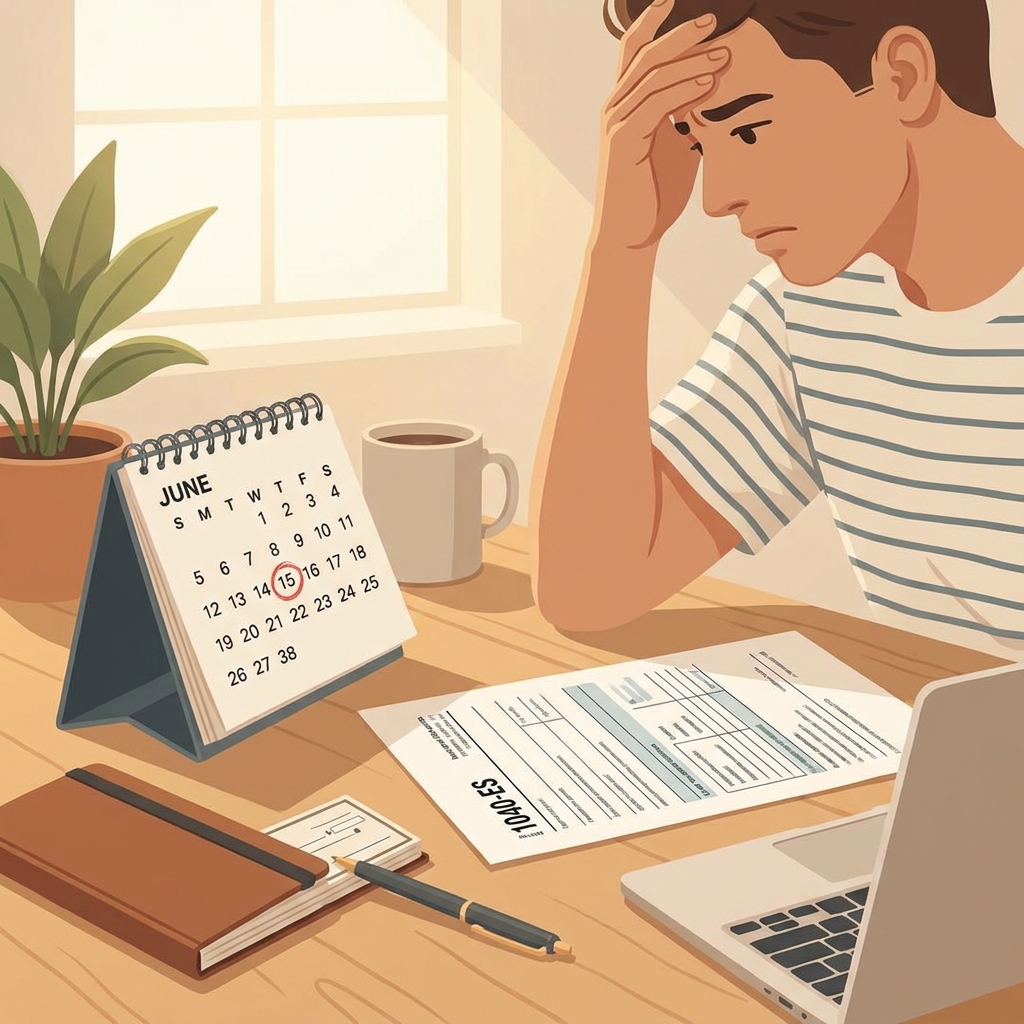
The US tax system is a “pay-as-you-go” system. W-2 employees have federal income tax, Social Security, and Medicare withheld from every paycheck. People who earn income without an employer withholding taxes have to send those payments to the IRS four times a year themselves, on the 15th of April, June, September, and January. These are quarterly estimated tax payments, made on IRS Form 1040-ES.
The four 2026 deadlines are:
- Q1 (income earned Jan 1 - Mar 31): April 15, 2026
- Q2 (income earned Apr 1 - May 31): June 15, 2026
- Q3 (income earned Jun 1 - Aug 31): September 15, 2026
- Q4 (income earned Sep 1 - Dec 31): January 15, 2027
You have to pay if you expect to owe at least $1,000 in federal tax for the year after subtracting withholding and refundable credits.
What Happens If You Missed June 15
Two things start happening the day after the deadline, and both compound daily until you pay.
-
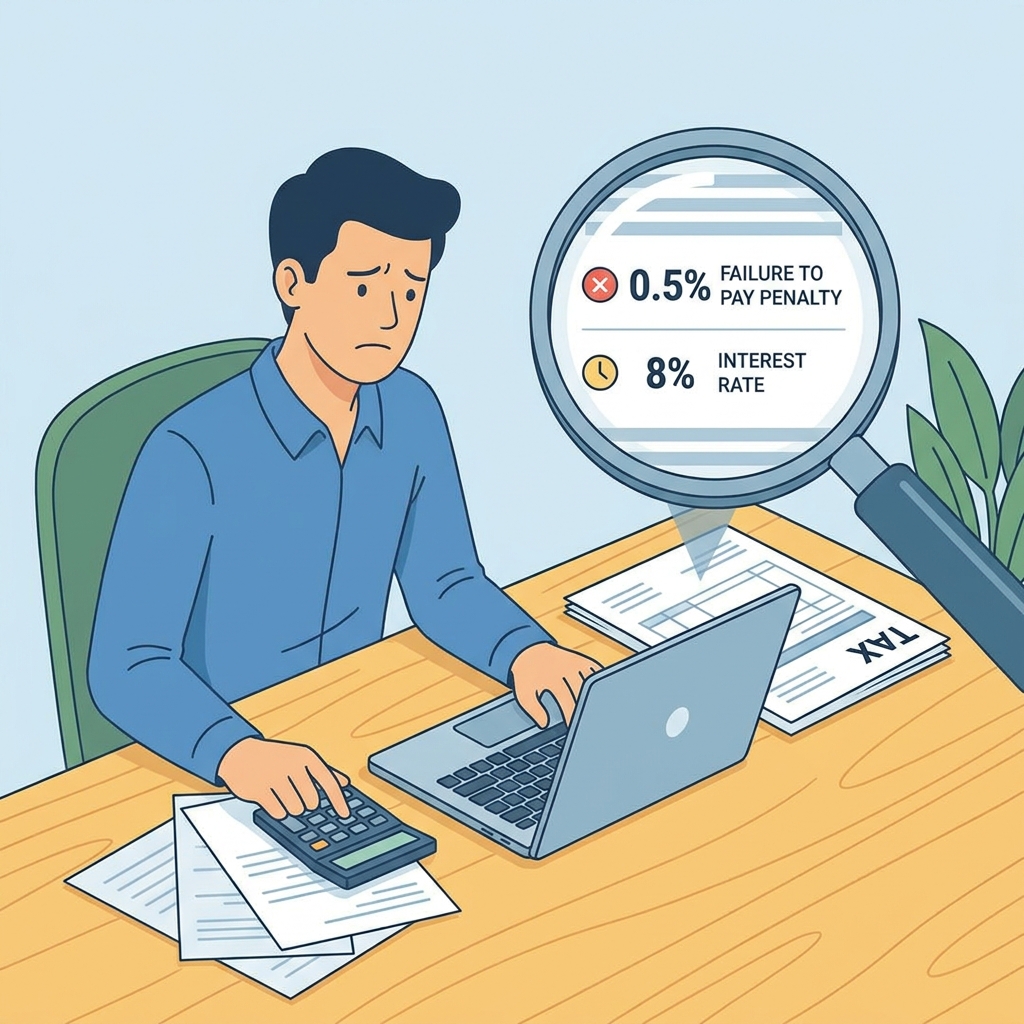
Failure-to-Pay Penalty: The IRS charges 0.5 percent per month (or part of a month) on the unpaid balance, capped at 25 percent. On a $2,000 underpayment, that is $10 the first month, $20 if you wait two months, and so on.
-
Interest on the Underpayment: The IRS also charges interest, and the rate is set quarterly. For Q2 2026, the IRS underpayment interest rate for individual taxpayers is 6 percent annually, compounded daily. The rate will reset to 7 percent for Q3 (July through September).
How to Calculate What You Owe
The safe harbor rule: if you pay at least 100 percent of your prior-year tax liability (110 percent if your prior-year AGI was over $150,000), you will not owe an underpayment penalty regardless of what your 2026 tax bill turns out to be. For most people, this is the easiest approach: take your 2025 total tax, divide by four, and pay that amount each quarter.
If your income is growing rapidly, you can use the annualized income installment method, which lets you match payments to when you actually earned the income. This requires more math but can save you from overpaying early in the year.

How to Pay
The IRS accepts estimated tax payments through several methods:
- IRS Direct Pay: Free, direct bank transfer from your checking account
- EFTPS (Electronic Federal Tax Payment System): Free, but requires enrollment
- Check with Form 1040-ES voucher: Mail to the IRS address for your state
- Credit or debit card: Convenient but carries a processing fee of 1.87% to 1.99%
What to Do If You Cannot Pay
If you missed the June 15 deadline and cannot pay the full amount, pay what you can immediately. The penalty and interest are calculated on the unpaid balance, so every dollar you pay now reduces what you owe. You can also set up an IRS payment plan online. The setup fee is $31 for a direct debit plan or $130 for a non-direct debit plan. The interest rate is the same, but the failure-to-pay penalty drops to 0.25% per month once you are on a plan.
The Bottom Line
Missing the Q2 estimated tax deadline is not a crisis, but it is not free either. The penalties are small if you act quickly and grow if you wait. The best move: calculate what you owe, pay it as soon as possible, and set up automatic quarterly payments for September and January so you do not miss again. The IRS is not your enemy, but it is not your friend either. It is a bureaucracy that charges interest and penalties on autopilot. Stay ahead of it.
Sources: IRS Publication 505 (Tax Withholding and Estimated Tax); IRS Form 1040-ES instructions; IRS.gov newsroom (quarterly interest rates) for the 6% Q2 2026 underpayment rate; IRS Topic No. 653 for penalty rates.