Published on
- 3 min read
FOMC Hawkish Pivot: What a Rate Hike Would Mean for Your Money
What the Fed Actually Decided on June 17
The FOMC voted 12-0 to keep the target range for the federal funds rate at 3.50% to 3.75%. That part was priced in: CME FedWatch had shown a 97%+ probability of no change going into the meeting. The Fed also confirmed it will continue purchasing Treasury securities to maintain ample reserves, walking back market fears of aggressive balance-sheet reduction. The headline was boring. The substance underneath was not.
The Dot Plot Moved Hawkish Substantially
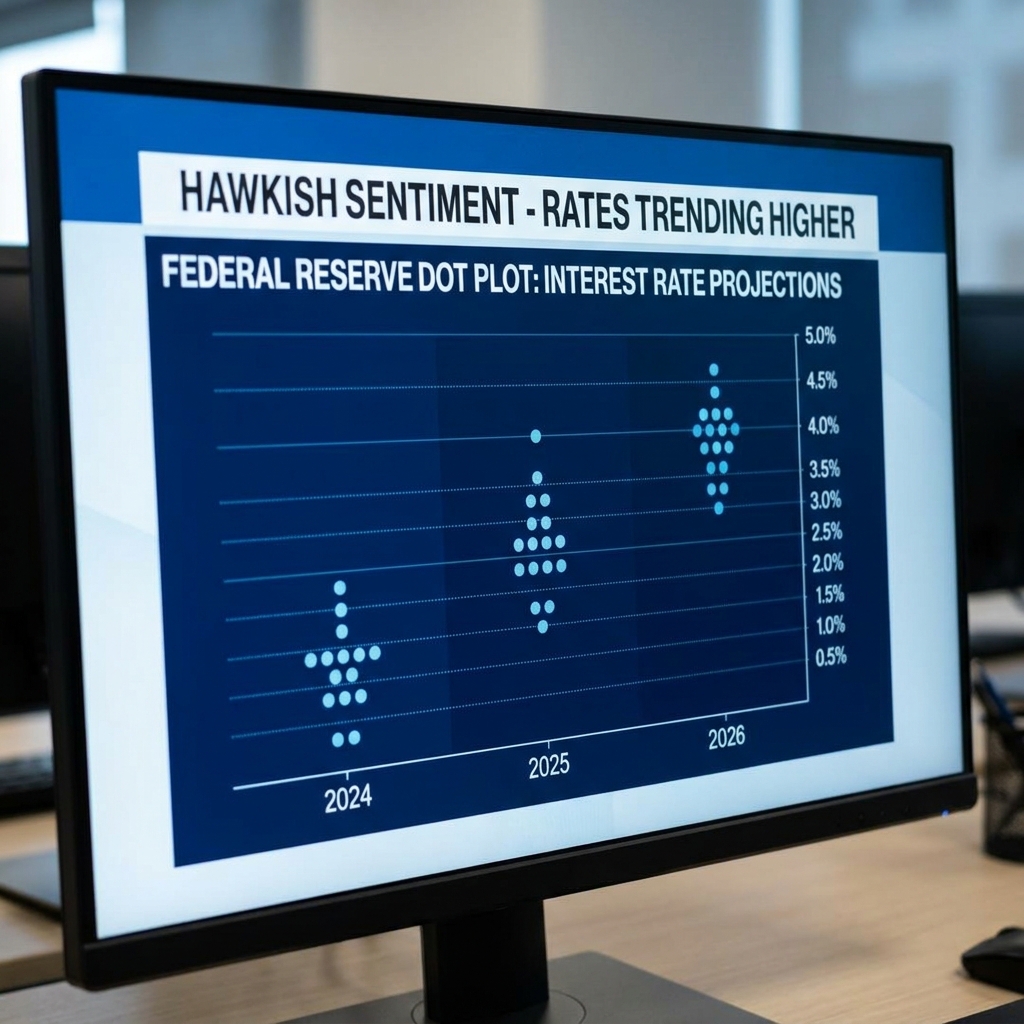
Twice a year, FOMC members publish individual projections for where rates should be at year-end. The June 2026 dot plot tells a clear story: nine of the eighteen voting members now see at least one rate hike before year-end. Eight see the Fed holding steady. One sees a cut. The median 2026 dot jumped from 3.375% (March) to 3.750% (June) implying roughly half a hike baked in. Translation: the Fed thinks rates will be higher in 2026 and 2027 than it thought three months ago. The “easing bias” language is gone from the statement.
The Inflation Forecast Was the Real Bombshell
The Summary of Economic Projections showed the Fed dramatically upgrading its inflation outlook: 2026 headline PCE revised from 2.7% to 3.6% (+90 basis points), 2026 core PCE from 2.7% to 3.3% (+60 basis points), and 2027 core PCE from 2.2% to 2.5% (+30 basis points). This is a massive revision in three months. The Fed is now saying inflation in 2026 will run nearly double its 2% target, and it won’t be back to 2% until 2028 at the earliest.
Warsh’s Press Conference: Hawkish in Tone
In his first meeting as Chair, Kevin Warsh delivered a notably different message from Powell. Three things stood out: First, Warsh explicitly said “the Committee is prepared to raise rates if inflation does not move sustainably toward 2%.” Second, he downplayed the unemployment rise to 4.1%, calling it “consistent with a healthy labor market.” Third, he refused to commit to a specific path, emphasizing data-dependence. The market heard: hikes are coming.
What It Means for Your Mortgage
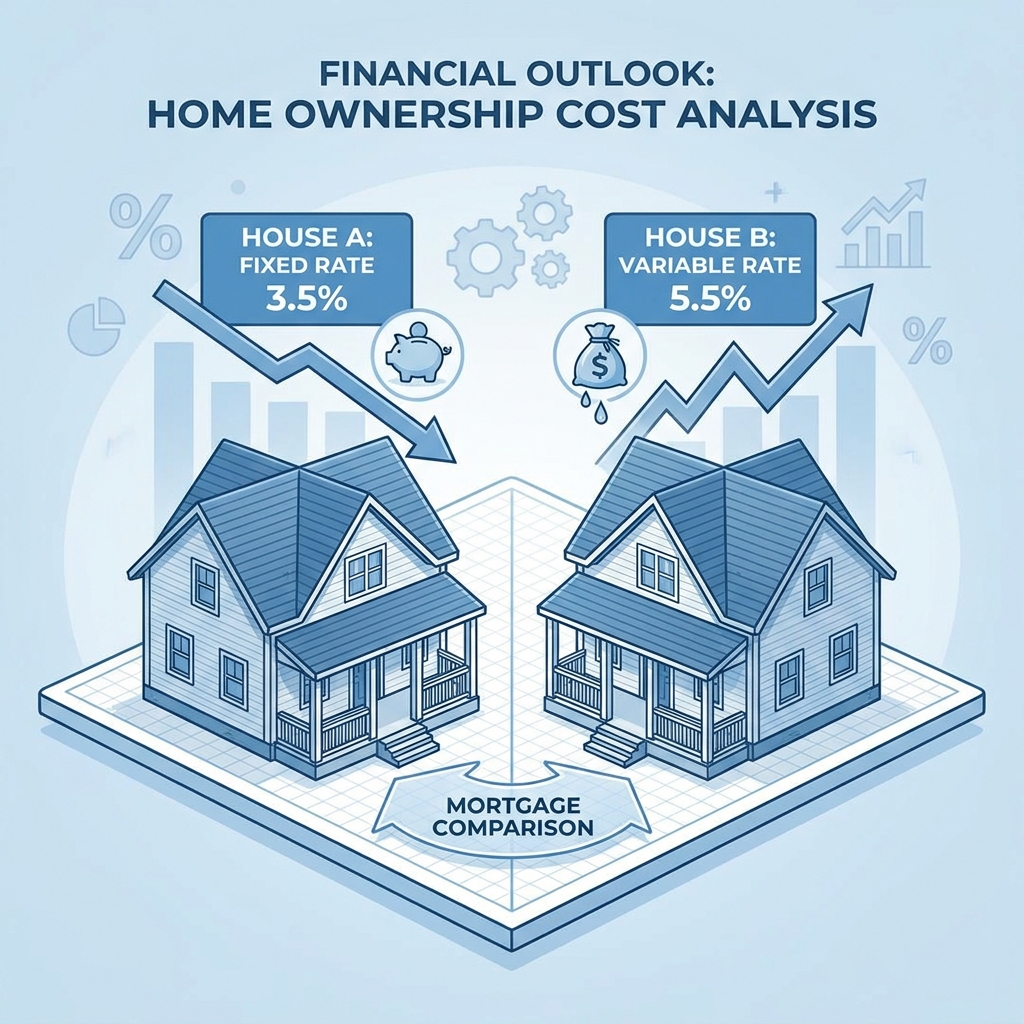
Mortgage rates track the 10-year Treasury yield. On June 17, the 10-year yield jumped 18 basis points to 4.52% after the release. For a $400,000 30-year fixed mortgage, that rate increase translates to roughly $45 more per month, or $16,000 more over the life of the loan. If you are shopping for a home or considering a refinance, the window for sub-6.5% rates may be closing. Locking a rate now could save thousands compared to waiting.
What It Means for Your Savings and CDs
High-yield savings accounts and CDs are directly tied to the fed funds rate. If the Fed hikes, savings APYs will rise within days to weeks. If you have cash in a 5% HYSA, a Fed hike could push that to 5.25% or 5.50%. For CDs, the math is trickier: long-term CD rates may rise, but short-term rates could fall if the market prices in future cuts. The best move for savers: keep emergency funds in a HYSA to capture rising rates, and ladder CDs to lock in current yields while maintaining flexibility.
The Bottom Line
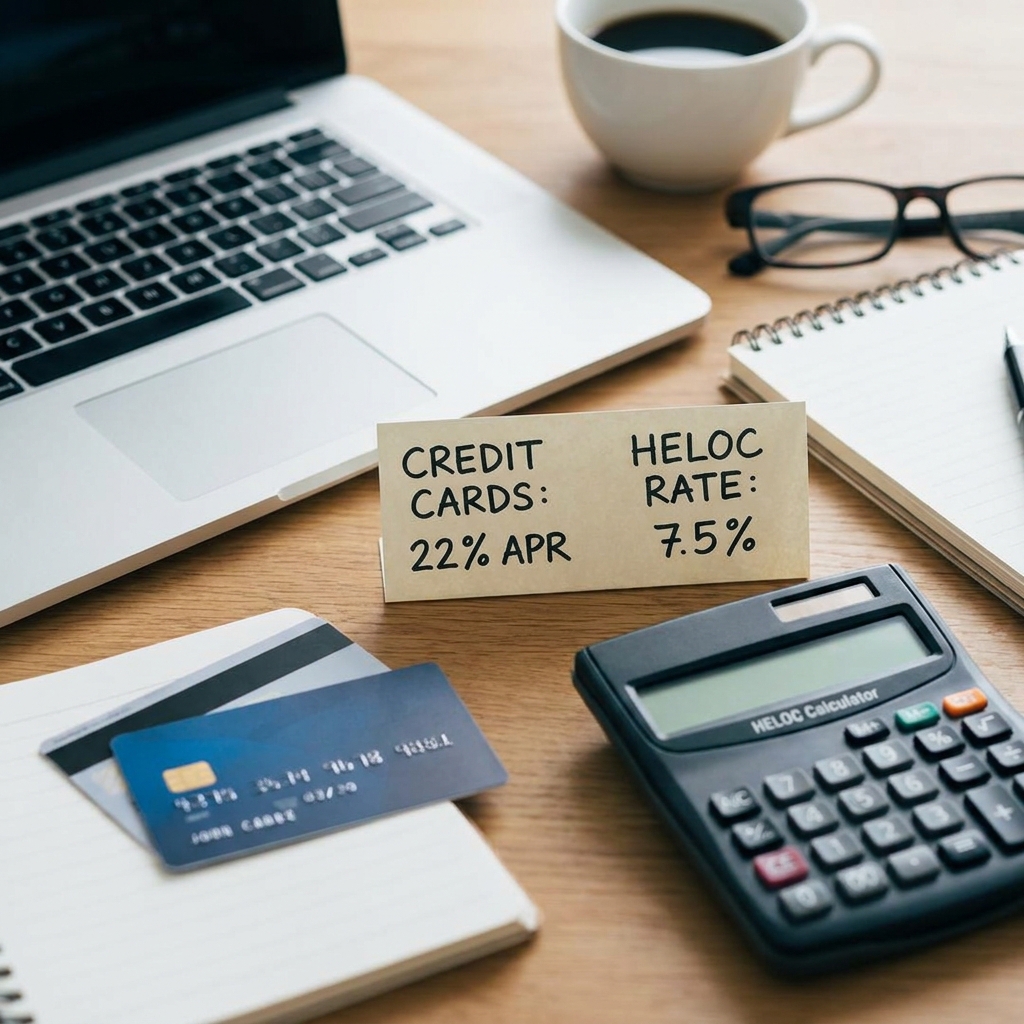
The Fed did not hike on June 17, but it told you it will. The dot plot, inflation forecasts, and Warsh’s language all point to higher rates for longer. For borrowers, this means higher costs ahead. For savers, it means better yields. For investors, it means volatility. The time to act is now: lock in mortgage rates, maximize savings yields, and review your portfolio’s interest-rate sensitivity.
Sources: Federal Reserve FOMC Statement, June 17, 2026; Federal Reserve Summary of Economic Projections, June 17, 2026; CME FedWatch Tool, June 17, 2026; U.S. Treasury yield data, June 17, 2026; Freddie Mac Primary Mortgage Market Survey, June 2026.
Related Articles

High-Yield Savings Accounts: Where to Park Your Cash in 2026
A comprehensive guide to understanding personal finance....

CD Laddering Strategy: Lock In High Rates Without Locking Up All Your Cash
A comprehensive guide to understanding personal finance....

FOMC June Meeting: What the Fed Decision Means for Your Money
A comprehensive guide to understanding personal finance....